
Rotaract Reefs – Educate. Inspire. Restore.
The Role of the Oral Hygiene Initiative
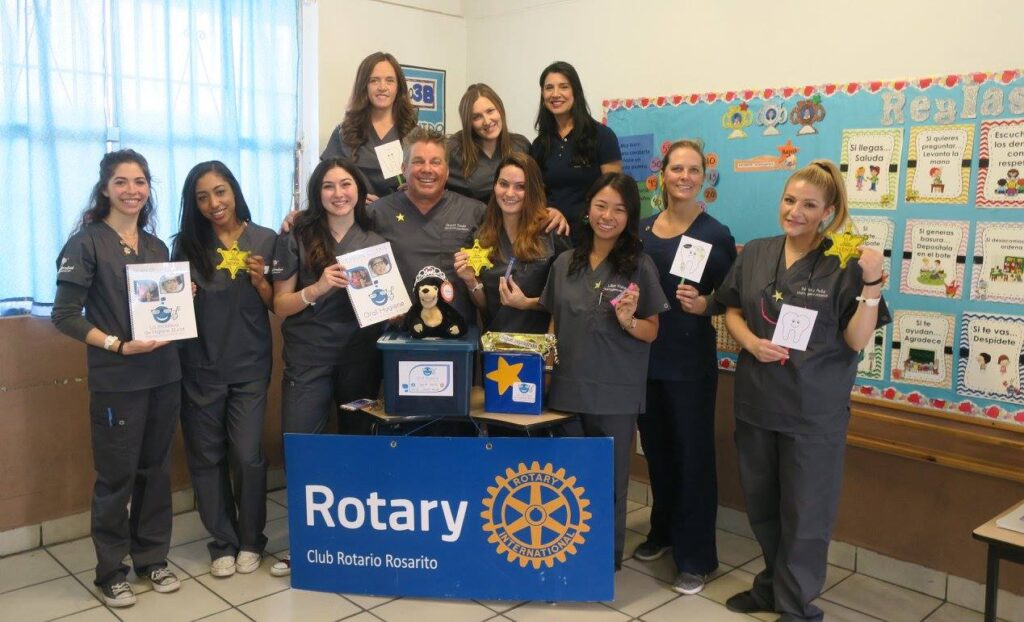
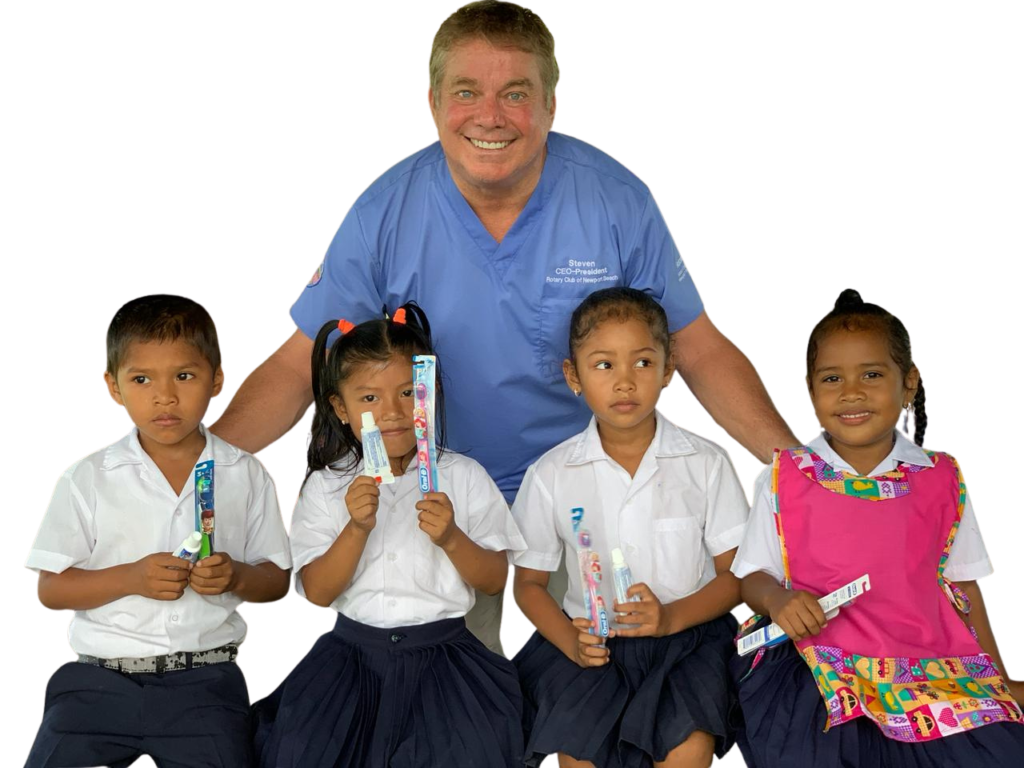
The Oral Hygiene Initiative played a key role in the health-care component of The Panama Project. During their first restorative dental clinic in Panama, they discovered a troubling fact: the children in Bocas del Toro had more dental problems than children served in orphanages in Mexico, Thailand, Cambodia, and India. The difference? These children had the means to buy soda and candy at lunchtime — yet lacked the preventive education to offset it.
The initiative quickly pivoted to deliver educational programs, adopt entire communities, and distribute 1,000 bamboo toothbrushes and fluoride treatments through volunteer missions, blending health, education, and Volunteer Tourism.
What’s Next

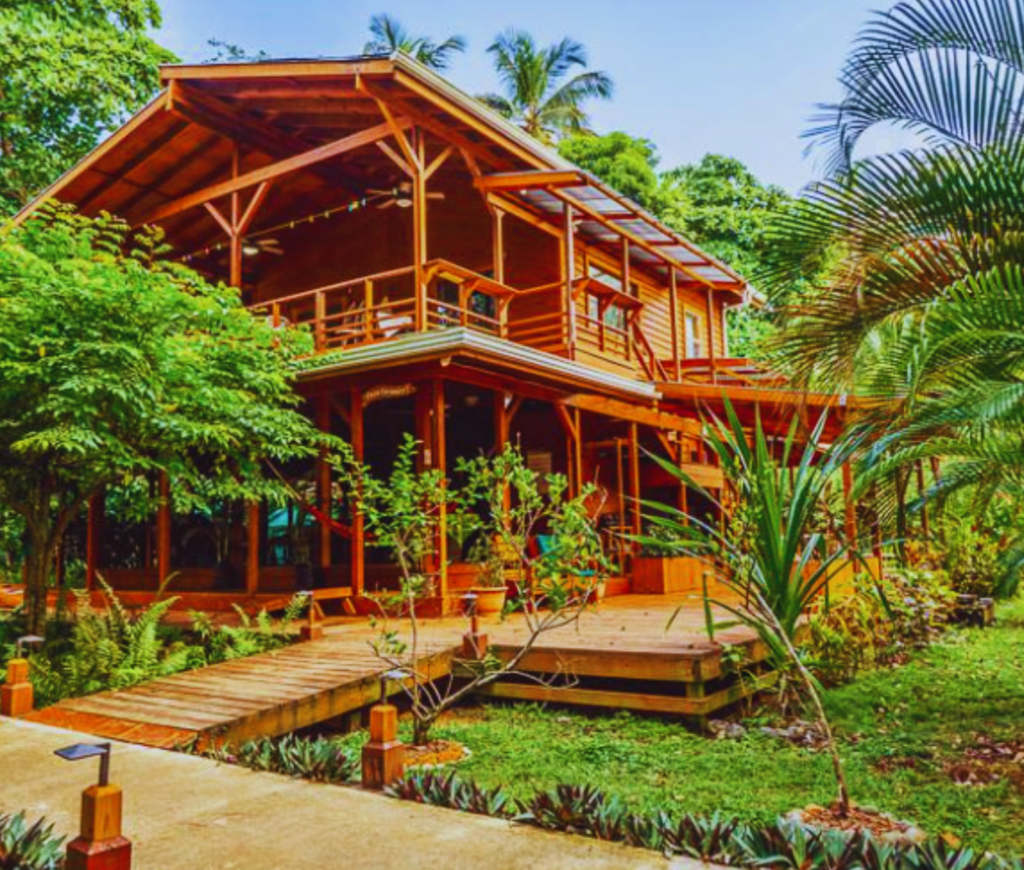
Tropical Arts_Bocas del Toro, Panama
Our next major goal in Bocas del Toro is to begin the design, funding and construction of a small clinic and storage facility that will serve as a central hub for our equipment and ongoing mission work. Transporting equipment from the United States to Bocas remains one of the most challenging and costly aspects of our efforts. By 2027, we aim to have a dedicated storage facility that can also function as a sterilization space—and, in emergencies, as a one-patient operatory staffed by a small team of volunteers. In August 2026, we will return to host a large dental clinic and senior eyeglass distribution event. During that mission, we will also conduct site evaluations to identify the ideal location for this new building, a step that represents significant progress in creating sustainable long-term care for local communities.
None of this would be possible without the extraordinary generosity and partnership of the Rotarian owners and staff of Tropical Arts on Isla Careneros. Their support—ranging from complimentary boat and equipment storage to the use of their remarkable over-the-water facilities and lodging, to countless favors and acts of kindness—has been invaluable to our work. Their commitment has elevated every aspect of our missions.
What’s Next
At the heart of this support are two individuals whose leadership and dedication have been truly transformative: Erik Veenstra and Karen Ealy of the Rotary Club of Bocas del Toro. Their tireless advocacy, strategic guidance, and hands-on involvement have created the foundation upon which so much of our progress has been built. Whether coordinating resources, opening doors, offering insight, or simply stepping in wherever help is needed, Erik and Karen have been steadfast champions of our mission.
Their impact reaches far beyond logistics. They have provided the encouragement, stability, and local partnership necessary to make these large-scale projects not only possible but successful. The ongoing progress in Bocas del Toro — and the hope it brings to so many — is a testament to their commitment. Quite simply, we could not have accomplished what we have without Erik and Karen’s support. Their contributions exemplify the true spirit of Rotary service, and their generosity continues to shape the future of our work in the region.
https://tropicalartsbocas.com/
Why It Matters
The Panama Project is more than a pandemic-success story. It’s a living testament to adaptability, collaboration, and purpose — a vivid reminder that one person’s skills and vision, when aligned with community needs, can reshape entire systems.
It shows that Rotary’s strength lies not just in service above self, but in service that multiplies — across sectors, islands, and the globe.
From coral reefs to classrooms, from the rainforest canopy to the dental chair, Steve Bender’s journey proves that isolation can be the birthplace of innovation — and that true impact begins with asking, “How can we help?”

Tropical Arts_Bocas del Toro, Panama
What’s Next for The Panama Project
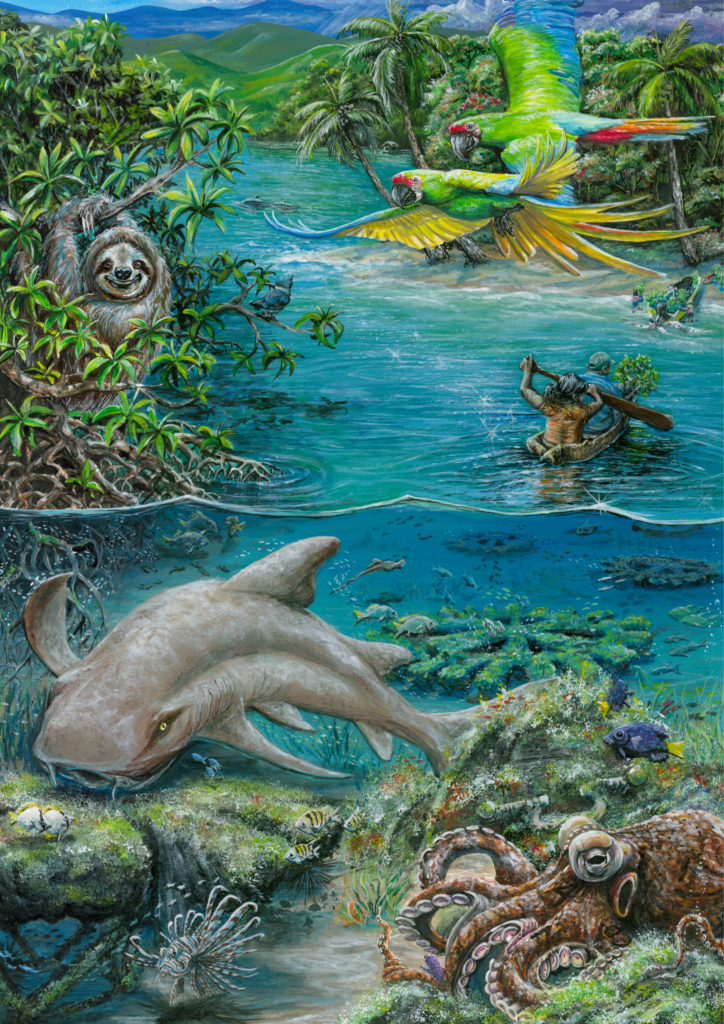
The Panama Project’s next chapter is about strengthening what already works — and building what the community needs most. A small medical and dental center, volunteer cabanas, and a water ambulance will improve daily life on the islands, while new environmental efforts — from an aviary for the Great Green Macaw to expanded reef and forest restoration — will prepare the region for long-term resilience.
This phase also brings in new collaborators. ArchiMAT will guide communities on how to select or create low-carbon, locally made materials, helping villages build sustainably without losing cultural identity. Together with creative partners, the project will launch pilot builds in areas that need them most — small structures that prove what responsible design can achieve with limited resources.
Grounded in climate science from Drawdown and the Rotarian spirit of service, the Panama Project continues to evolve from an isolated effort into a model of practical, community-led change.