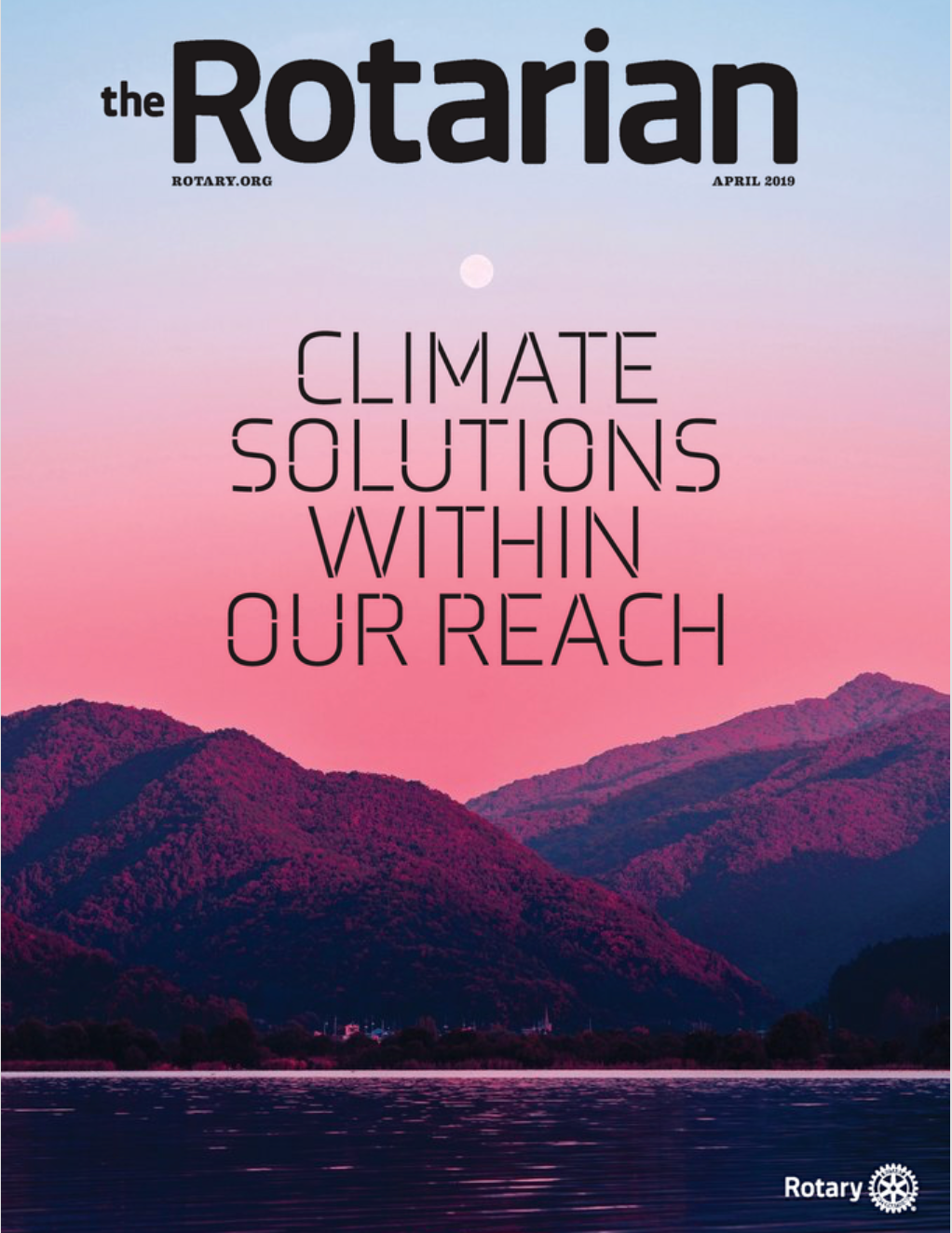
Originally inspired by the April 2019 edition of Rotary Magazine, Steve learned about Project Drawdown, which quickly became his go-to resource for evidence-based climate solutions. As RI President Barry Rassin warned, “Eighty percent of the land in the Bahamas is less than 5 feet above sea level… My country is going to be gone if we do nothing.” That sense of urgency — the understanding that climate change is not abstract but personal, immediate, and profoundly unequal in its impacts — resonated deeply with Steve.
Drawdown’s science-driven roadmap offered not only clarity but also hope: a practical menu of actions that communities could take to protect ecosystems, strengthen resilience, and restore balance. Its emphasis on regeneration, coastal protection, and community empowerment helped shape the strategic backbone of The Panama Project, ensuring that every intervention aligned with proven pathways to a more sustainable and equitable future.
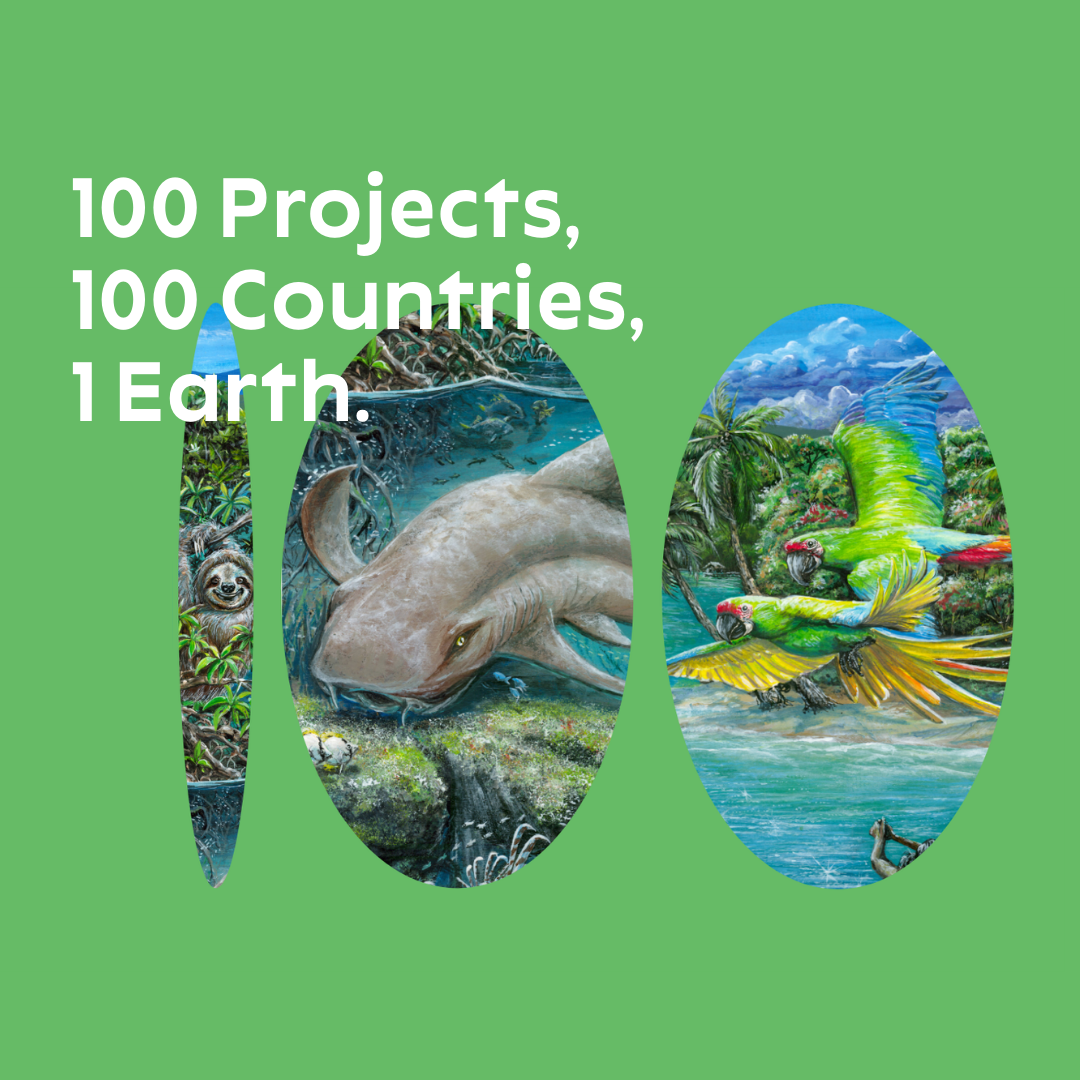
By 2025, the project’s reach had expanded globally through the creation of an AI-powered platform designed to help Rotary clubs worldwide measure, strengthen, and scale their impact. The goal — “100 Projects in 100 Countries” — is now underway, transforming Bender’s island experience into a worldwide ripple of service, stewardship, and innovation.